Lightroom Preset · Kodak Tri-X 400

The legendary Tri‑X 400
look. Without the chemistry.

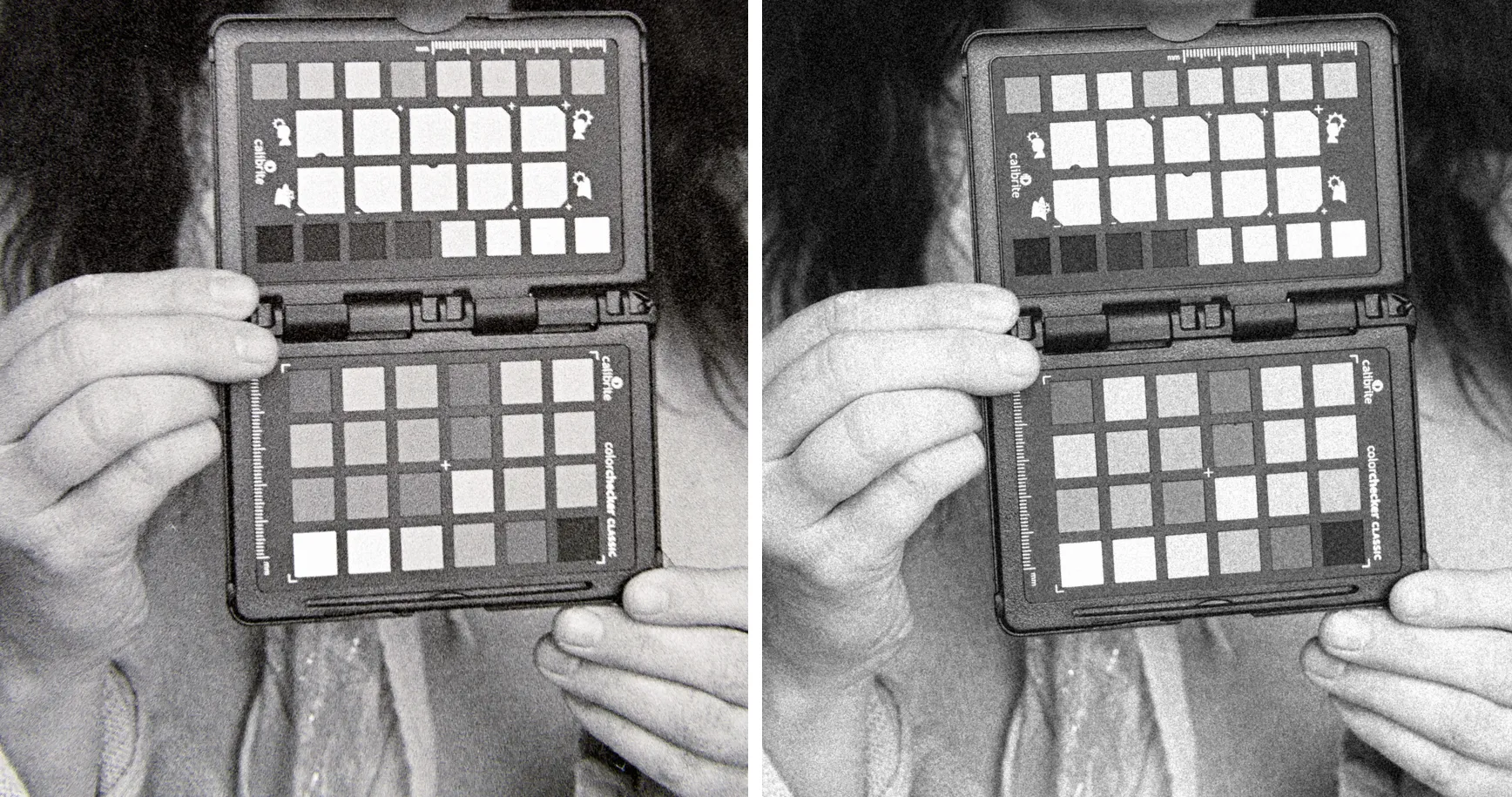
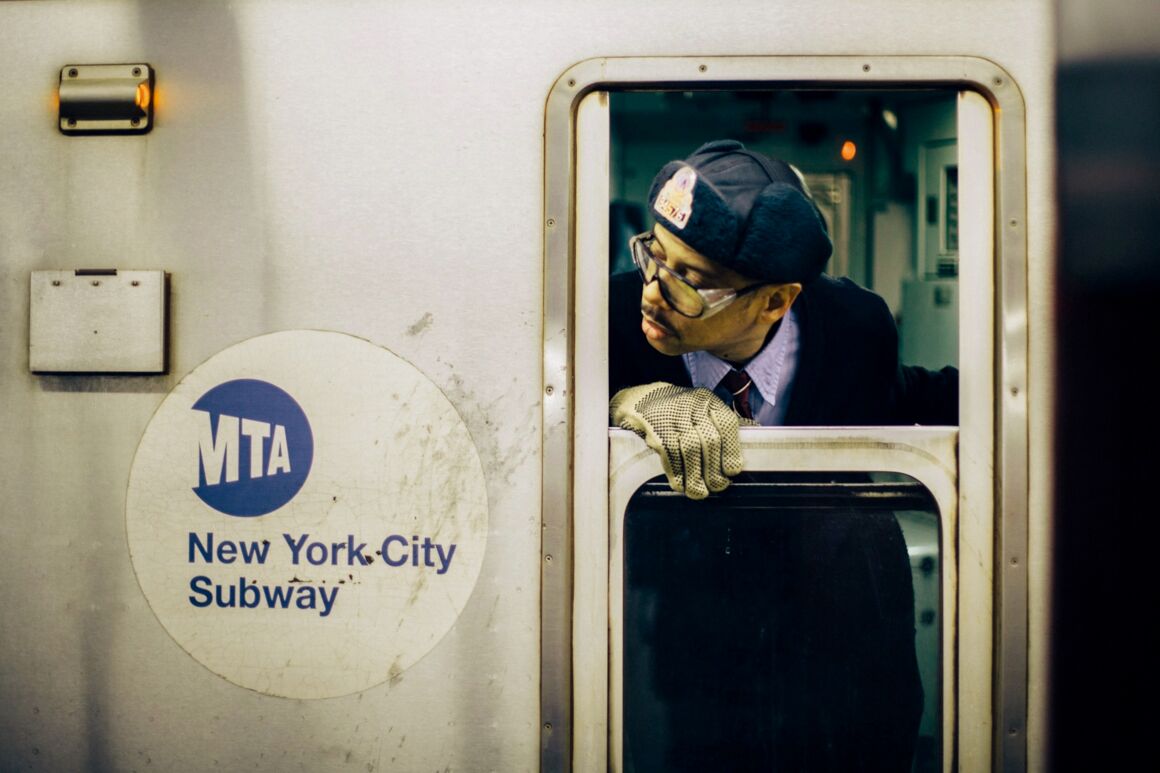
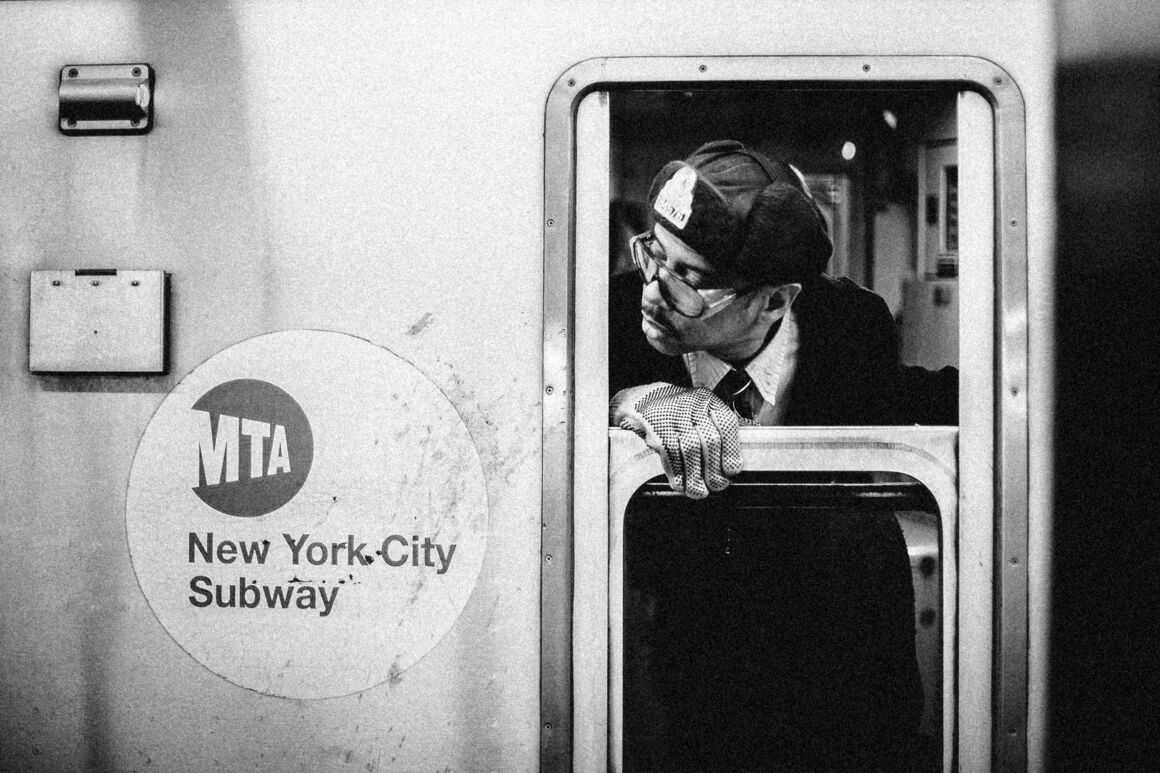
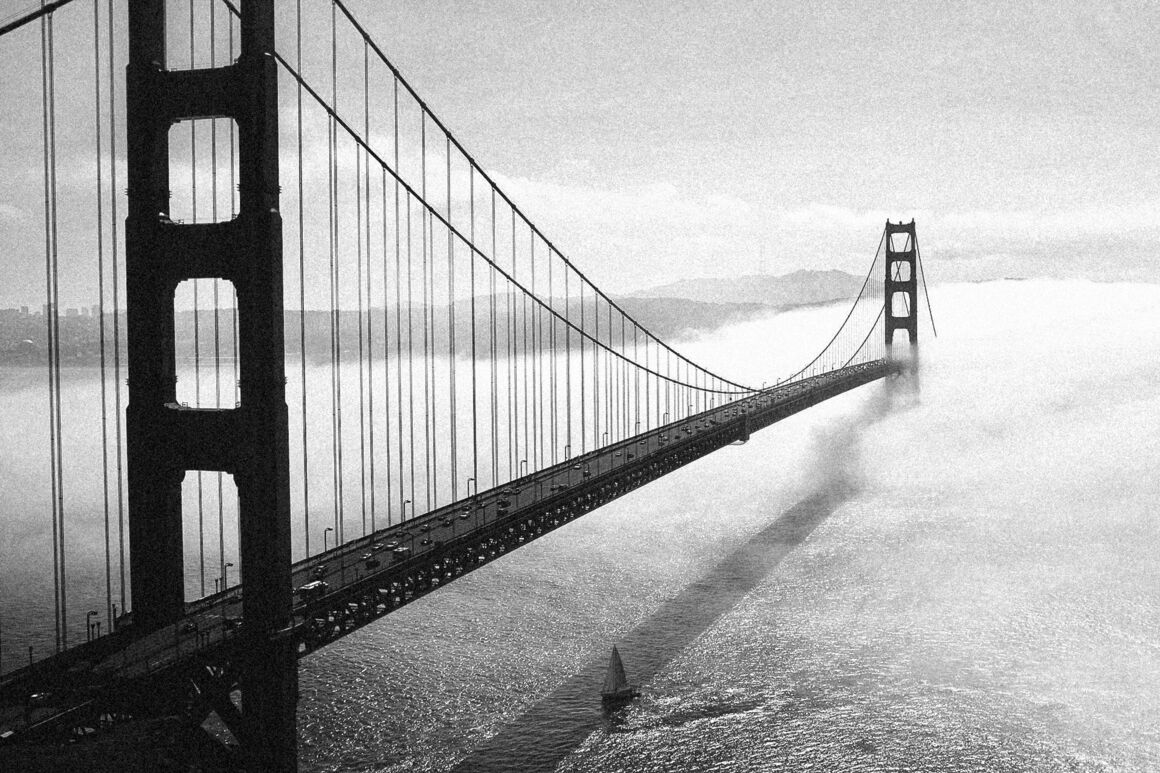
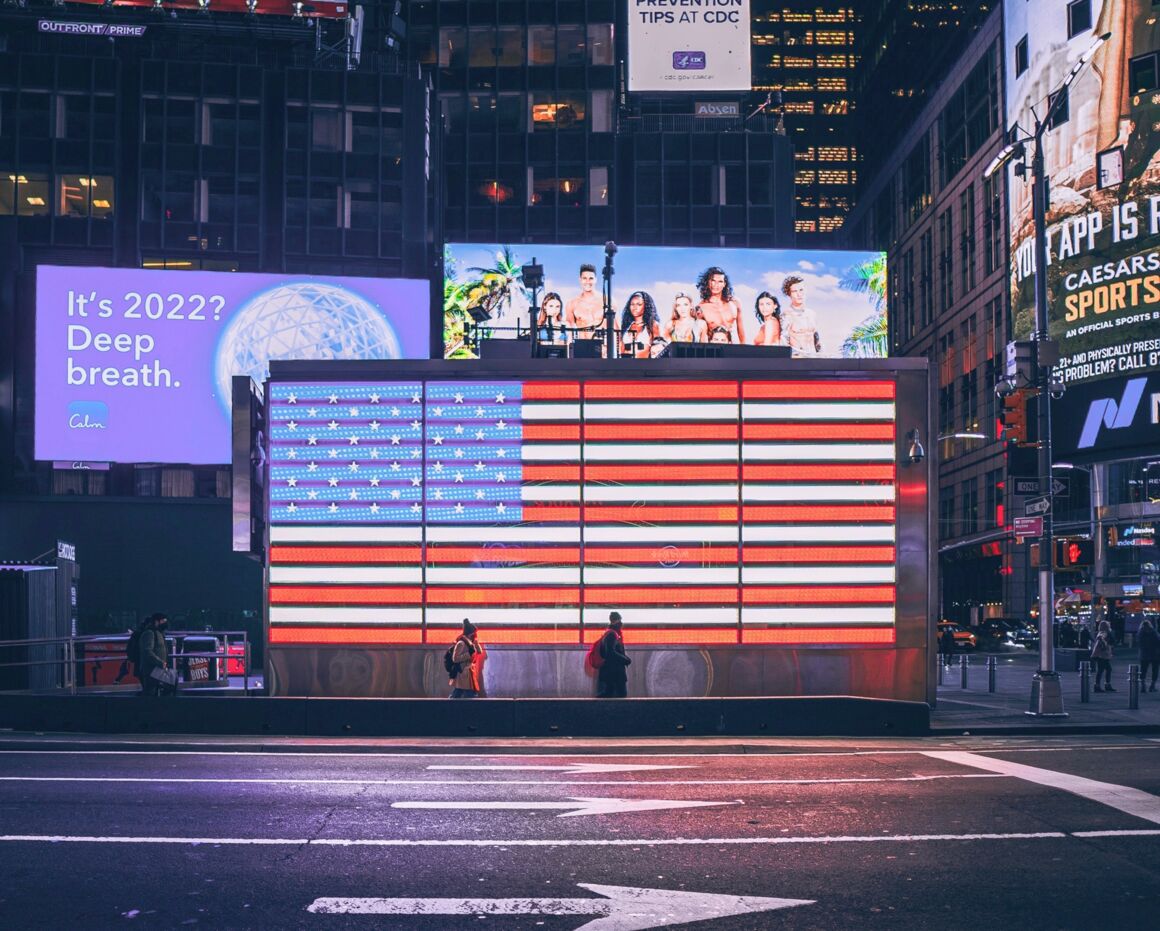
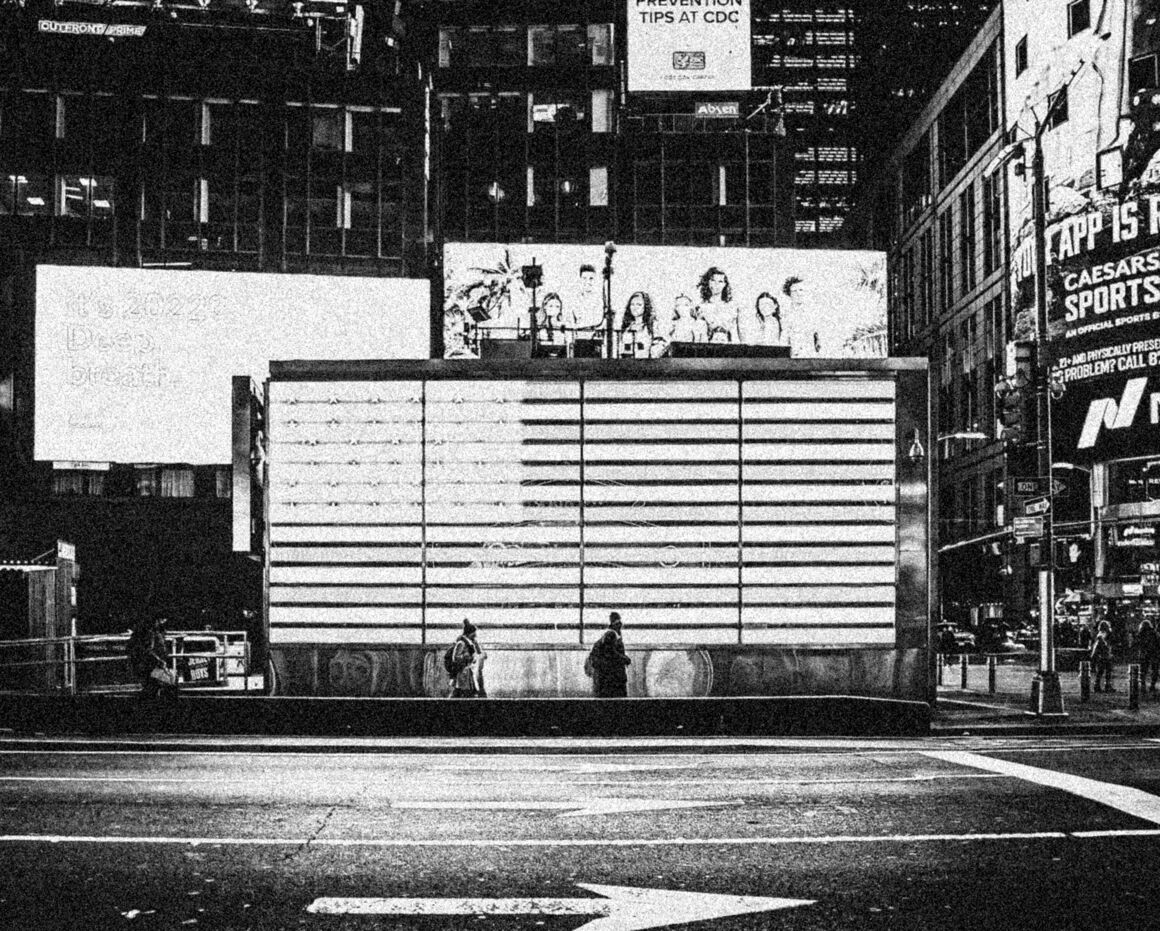
Every scene shot twice — on real Kodak Tri-X 400 and on digital. Hand-developed, drum-scanned, then mapped frame by frame in Lightroom until digital read like film.

“They look as if they were made with Tri‑X 400.” — Pietro Barelli · Leica Ambassador
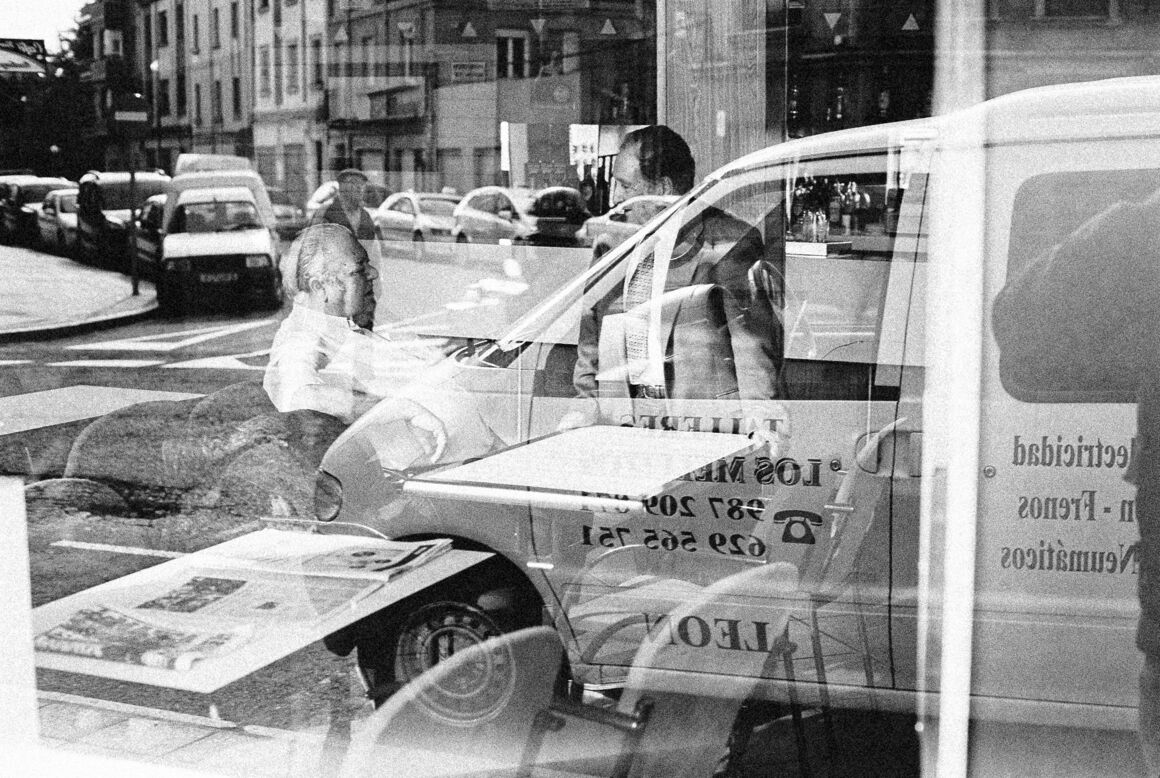
Tri-X 400 — skater, Venice Beach
Pay once · Use forever Trusted by a Leica ambassador Built against a real Tri-X negative Lightroom Classic, CC & Mobile
Why this preset stands apart

Tri-X is a film.
So is this preset.

Every scene shot twice — once on Kodak Tri-X 400, once on digital. The film: hand-developed, drum-scanned at archival resolution. Then matched in Lightroom against the scans — frame by frame, tone for tone, grain for grain — until digital rendered like film. The result behaves like Tri-X, because it’s built from Tri-X.

01

Built from the actual film

Calibrated against scans of a hand-developed Tri-X 400 negative. Every curve, every micro-contrast move measured against the real film — and built from the film up.

02

Real film grain, tailored for your camera’s resolution

Real Tri-X grain reads differently at every sensor size. Separate grain profiles built for every common sensor — the preset detects your camera and applies the right one. The grain just fits, the way film does on the camera it was shot on.

What you get

One film.
The way it’s meant to be shot.

Tri-X 400 at box speed — the most photographed film in 85 years of photography. The way Henri Cartier-Bresson, Garry Winogrand and most editorial photographers actually shot it.

  • ISO 400
    Box speed Tri-XClean, mid-contrast, the classic editorial look. Calibrated against scans of a hand-developed negative.
  • Grain
    Calibrated per sensor resolutionSeparate grain profiles for every common sensor size. The preset detects yours and applies the right one — so the grain reads like real Tri-X on your camera, not on a stranger’s.
  • Files
    Lightroom Classic, CC & MobileShips as .xmp. Apply, done. Free lifetime updates.
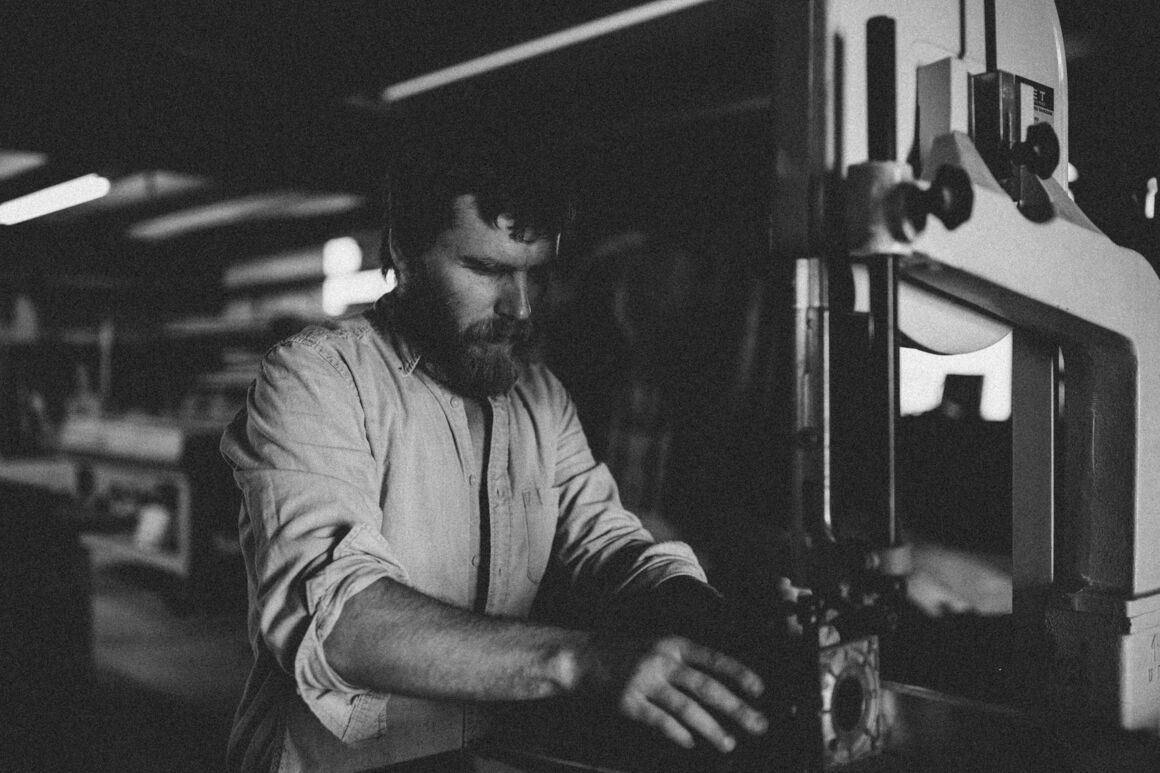
Tri-X 400 — workshop portrait
From people who know film

“The closest thing to real film I’ve found.”

★★★★★

“RAF seems to be the only preset maker that actually understands film. Most others are just LUTs.”

Martinez E. · Verified buyer
★★★★★

“The closest thing to real film I've found. I stopped scanning for client work.”

Simon S. · Verified buyer
★★★★★

“They look as if they were made with Tri-X 400. That's the highest compliment I can give a preset.”

Pietro Barelli · Leica Ambassador
★★★★★

“The simplicity of analog photography — in my digital workflow. Import, pick a preset, done.”

Roberto G. · Verified buyer
Who made this

Built by someone who shoots Tri-X.

RealAnalogFilm is one photographer with too many rolls of film and a Lightroom obsession.

The Tri-X 400 preset started as a personal tool — built because I needed it for my own work. Now you can have it too.

RAF
Pricing

One film. One preset.
One price.

The actual Tri-X 400 box-speed look, calibrated against the real film. Pay once. Use forever. Free updates for the life of the preset.

Before you buy

Questions, answered.

Does this work with my camera?

Yes. The Tri-X 400 preset works with RAW files from every modern camera — Sony, Canon, Nikon, Fujifilm, Leica, Ricoh GR. Grain is automatically calibrated to your sensor resolution. JPEG files work too; RAW gives you the cleanest result.

Which Lightroom versions does it work in?

Lightroom Classic, Lightroom CC and Lightroom Mobile. The preset ships as .xmp — install instructions come with the download.

Why box speed only?

Because box speed is where Tri-X lives. The most documented Tri-X look — Magnum editorial, the New York street tradition, the photo books that defined the medium — was made at ISO 400. That’s what we built: the real thing, distilled into one preset.

Do I need to know film to use it?

Apply, done. And if you do know film, you’ll feel the difference between a Tri-X tone curve and a generic monochrome conversion within the first frame.

Will I get updates?

Yes — for the life of the preset. Refined curves, new grain profiles, support for new Lightroom versions: all included in your one-time purchase.

Last thing

Skip the chemistry. Keep the film.

One download. One preset. The most iconic black-and-white look in photography — delivered straight to your Lightroom.

Get Tri-X 400 — €19,90
Instant download · Lightroom Classic, CC & Mobile · Lifetime updates
About the film

Why Kodak Tri-X 400 became the most photographed black-and-white film.

What makes Kodak Tri-X 400 unique

Kodak Tri-X 400 is a black-and-white film known for its distinctive character and versatility. It carries a wide exposure latitude, which means it handles a broad range of lighting conditions without losing detail or quality. And it has a signature grain structure that lends a timeless, classic look to every image.

For decades it has been the film of choice for street photographers, documentary work, and fine-art photography — anyone after a moody, atmospheric quality. The Tri-X 400 look is what most people picture when they think “black-and-white photography”.

Why Tri-X grain renders differently on every sensor

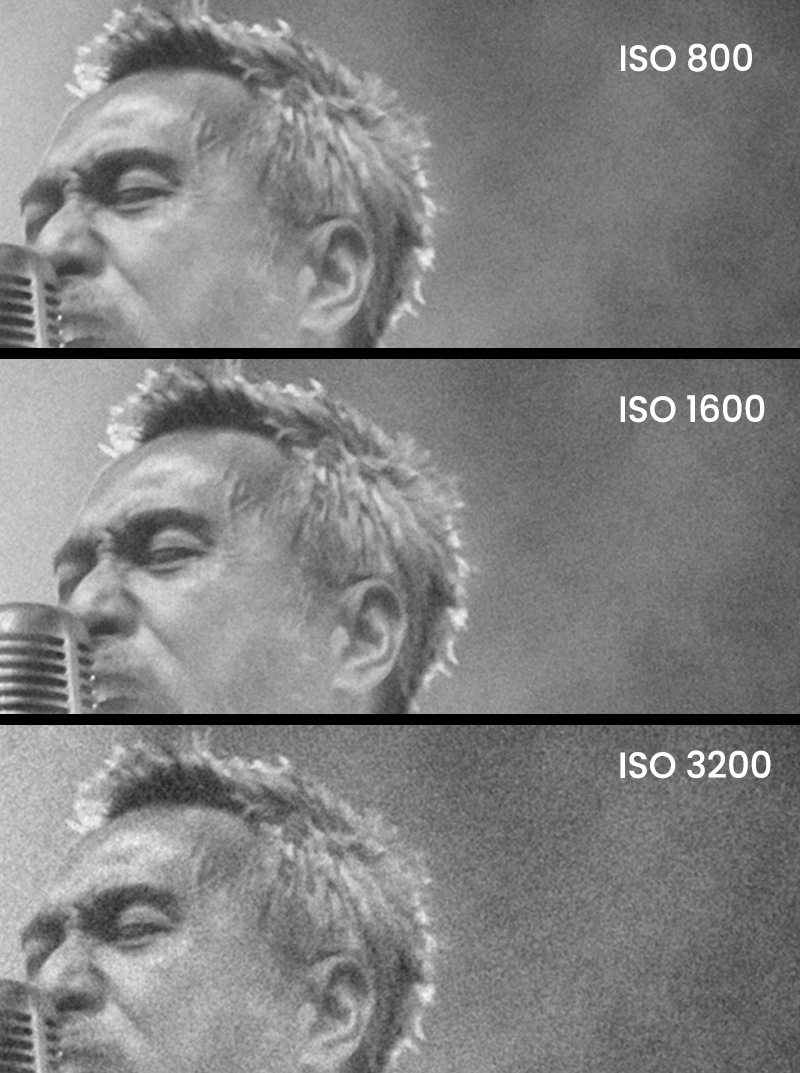
Real Tri-X grain doesn’t render identically on every digital sensor. The grain pattern visible on a 16-megapixel file looks meaningfully different from the one on a 24-megapixel file — and different again on a 60. The same is true for scanned film: scan resolution changes how the grain reads on screen and in print.

That’s why this Lightroom preset ships with separate grain profiles, calibrated for every common sensor resolution. The preset detects yours and applies the matching profile. The grain reads like real Tri-X on your camera — not on a stranger’s. You can keep the grain on, or switch it off in Lightroom with one click — but honestly, a Tri-X file without grain stops being a Tri-X file.

The push process — and why this preset stays at box speed.

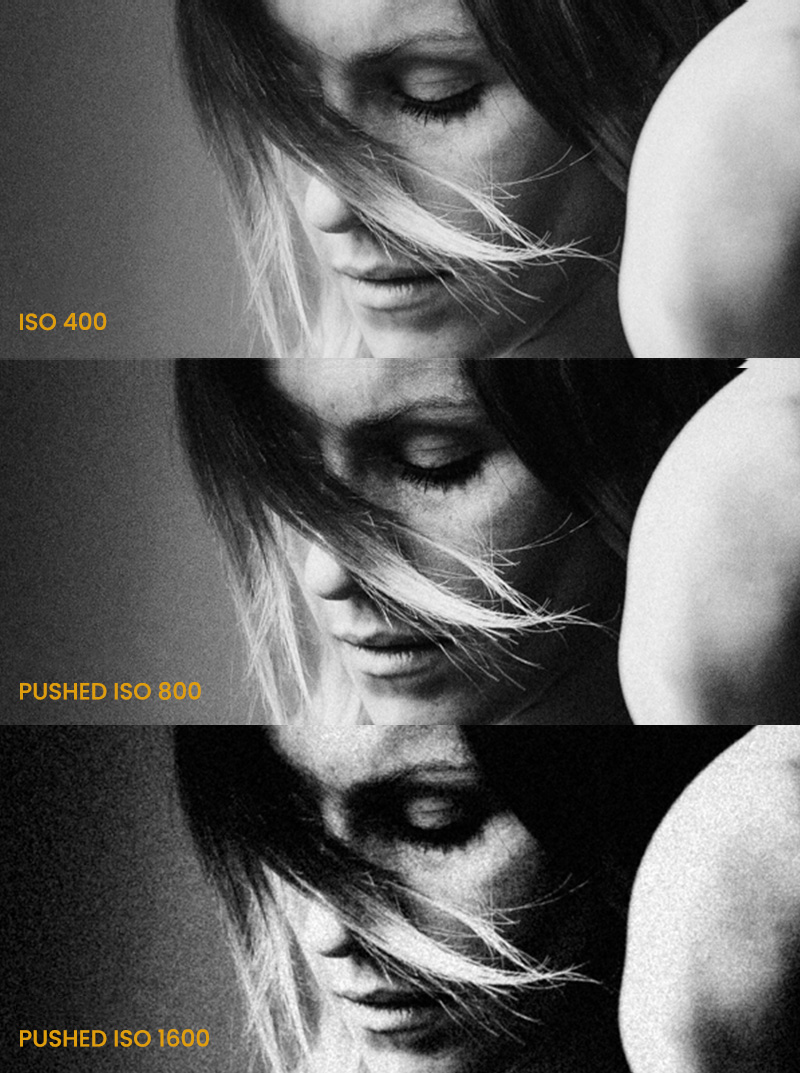
In the darkroom, photographers often push Tri-X: rating it at ISO 800 or ISO 1600 and extending the development time. Pushing changes the film’s behavior — harder contrast, deeper shadows, more pronounced grain, and the ability to shoot in lower light. The look of pushed Tri-X is iconic, but it’s a different look than box-speed Tri-X.

This preset stays at box speed (ISO 400) because that’s where Tri-X lives. The most documented Tri-X look — Magnum editorial work, the New York street tradition, the photo books that defined the medium — was made at ISO 400. We built that one thing, properly, instead of bundling a stack of variants you’d never use.

Because we love film, but hate scanning.

RealAnalogFilm started with a single frustration: we love the look of film, but the process of shooting, developing, and scanning every frame for a digital workflow is expensive and slow. So we built the look digitally — the right way: from real scans of real negatives, with grain calibrated to the camera the photo was actually shot on.

You keep shooting digital. You keep your workflow fast. And you still get the film you love, every time you open Lightroom.

Also from RealAnalogFilm
Ricoh GR Recipes cover
For Ricoh GR III · IIIx · IV

Shoot Tri-X straight out of your Ricoh GR.

15 analog film recipes that live inside the camera — including Tri-X 400. SOOC. No Lightroom needed.

View the recipes → €29